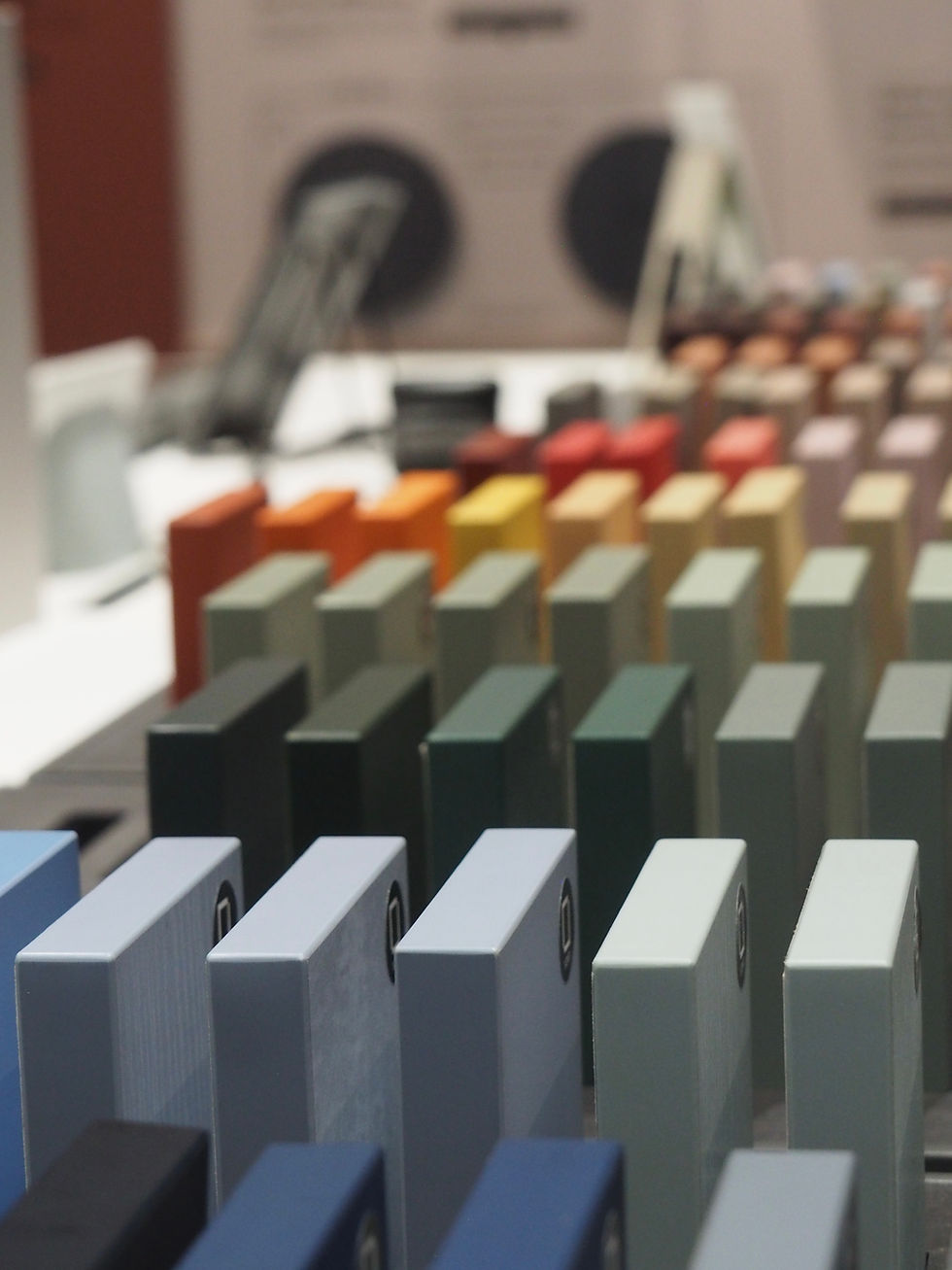
Biophilic Design, Reimagined Through Materiality

Biophilic design is evolving.
What was once understood as simply introducing greenery into a space has grown into a more considered, human-centric approach to design. This interior design trend reflects the growing need for strengthening the connection between people and nature through the built environment. Today, biophilic design is not just about what we see, but how a space makes us feel.
At its core, biophilic design draws from the innate human desire to connect with nature. This can be expressed through natural light, ventilation, spatial openness, and the presence of organic forms in a space.
Today, biophilic design is being increasingly realised through materiality and the surfaces that shape our environments.
In Australia, where the relationship between architecture and landscape is deeply embedded in design culture, biophilic principles are already being explored in meaningful ways with strong examples visible in the way our community fitouts are designed. Ultimately, the integration of greenery, natural light, and layered material finishes creates a dynamic environment that feels open, breathable, and connected to its surroundings. Across commercial workplaces, education spaces, and hospitality environments, there is a growing shift towards interiors that echo the calm and clarity of the natural world.
Designing for Wellbeing

The evolution of biophilic design is closely tied to a deeper understanding of wellbeing, particularly in workplaces and communal environments where people spend extended periods of time.
Studies have shown that spaces designed with biophilic principles can help to reduce stress, improve focus, and enhance overall cognitive performance. In workplaces, this translates into environments that feel less rigid and more adaptive, effectively supporting both productivity and mental clarity. In communal spaces, it encourages a sense of ease and connection, making environments feel more welcoming and intuitive to navigate.
But while greenery plays a role, it is not always practical or sustainable to rely solely on living elements, especially in high-traffic or enclosed environments.
This is where materials begin to take on greater significance.
Designing for wellbeing extends beyond what is visible; it also lies in the composition of the materials themselves. Surfaces such as O2+ laminates are formulated with Zero Phenol to support lower VOC emissions, contributing to environments that feel cleaner, more considered, and better suited for everyday use. It is a quieter layer of design, one that works in the background, yet plays a significant role in how a space is experienced.
The Role of Surfaces in Biophilic Design

Surfaces are no longer passive elements within a space. They are increasingly being used to shape atmosphere, influence perception, and create a stronger sense of balance.
Concrete-inspired textures introduce a grounded, architectural quality. They bring a sense of stability and permanence, anchoring the space in a way that feels both calm and controlled. In contrast, woodgrains offer spaces that warmth and familiarity. Their natural variation softens the visual environment, creating a tactile experience that feels approachable and human.
Together, these surface materials form a dialogue — one that mirrors the balance found in nature itself. Solid yet organic. Structured yet warm. This interplay allows designers to create spaces that feel connected to nature without relying solely on literal interpretations of it.
Beyond Greenery: A Material-Led Approach

As biophilic design continues to evolve, the focus is shifting from what is added into a space, to how a space is fundamentally composed.
Material choice becomes a critical design decision; the right combination of surfaces can influence light, texture, and spatial perception, ultimately defining how a space is felt.
This is particularly relevant in contemporary Australian design, where there is a growing trend towards interiors that feel calm, grounded, and quietly refined. Rather than overwhelming the space with elements, designers are turning to carefully considered material palettes to create
depth and atmosphere.
Because biophilic design is no longer just about filling a space with nature, but about designing spaces with nature in mind.
Explore more ideas, materials and perspectives.